
Clealco
Safety culture transformation, strengthening leadership and designing simple tools to deepen dialogue about risks in the operation.
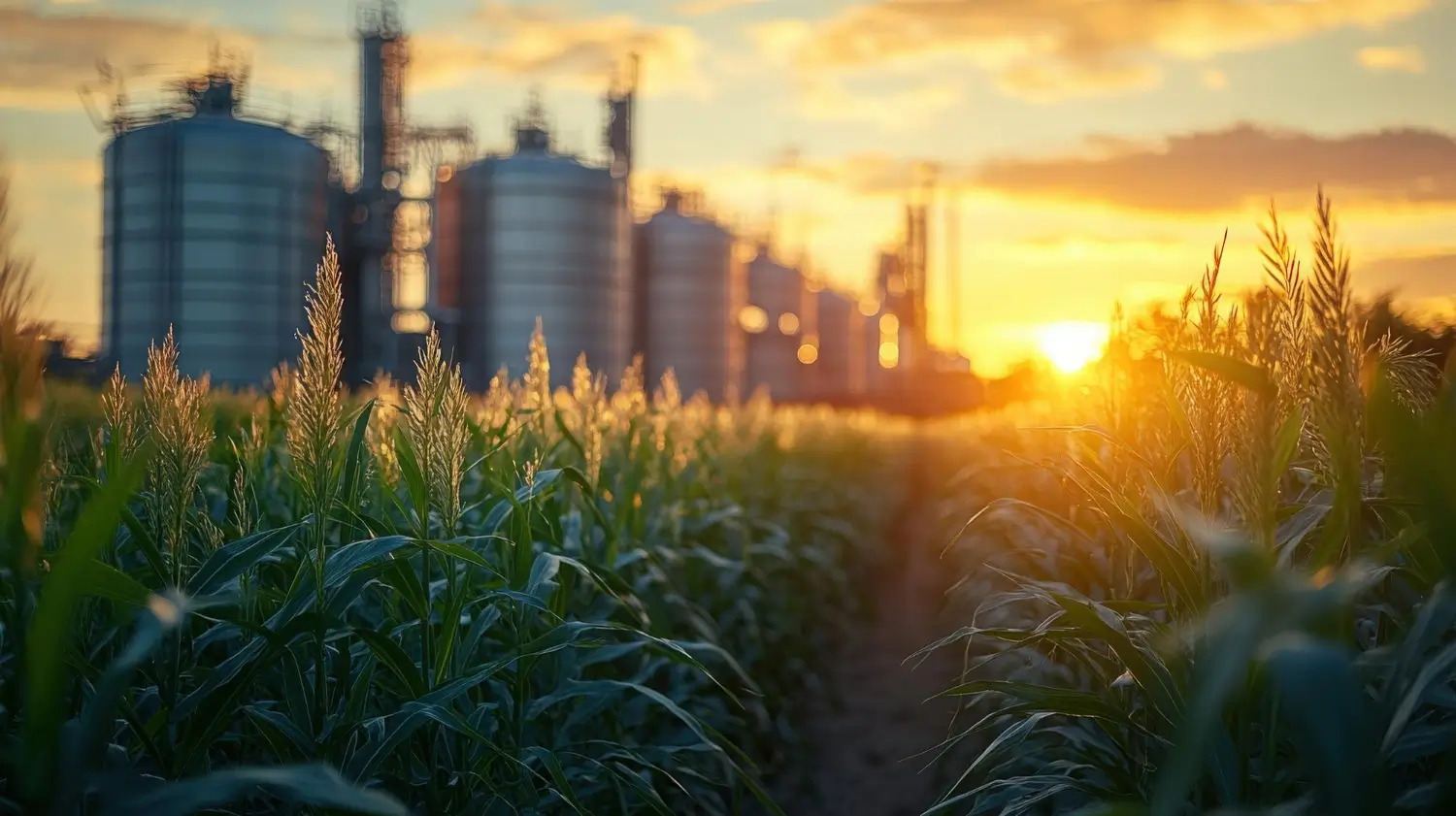
Safety culture in biofuel production and biomass energy recovery, with attention to the industrial routine and to interventions at the sites.
A bioenergy plant brings together receiving, processing, storage and power generation. The pace may follow the supply of raw material, but safety decisions continue through maintenance, shutdowns and preparation for a new cycle.
During these transitions, in-house and contractor teams start sharing areas and equipment under conditions that differ from the usual. The quality of planning and of communication between production, maintenance and safety becomes more important: what does each team know about the activities happening around it?
It is also necessary to understand how leaders handle the pressures of the production period. Plant availability, deadlines and targets are part of the context in which people make decisions. Making these relationships visible helps set priorities for the culture transformation.
The work can combine a culture assessment, an evaluation of serious injury and fatality prevention, and leadership development. The scope accounts for the differences between regular operation, scheduled shutdowns and unplanned interventions.
Tool rollout needs to be followed up with the teams that use the tools. This follow-up makes it possible to understand barriers, clarify responsibilities between areas and companies, and bring the necessary adjustments to planning and routines to management.
Learn about our approach →Safety culture transformation, strengthening leadership and designing simple tools to deepen dialogue about risks in the operation.
Competency guide, the Donos da Segurança (Safety Owners) program, training and communication, with support for reviewing contractor management and for strategic planning for 2017 and 2018.
Understand management practices and what teams experience across different activities.
Examine how critical exposures are understood and how controls are monitored.
Support the rollout of practices and follow up on the difficulties teams encounter.
Define priorities, responsibilities and ways to monitor the work.
Understand the conditions and decisions involved to guide organizational learning.
Develop leadership through experiences tied to the work context.
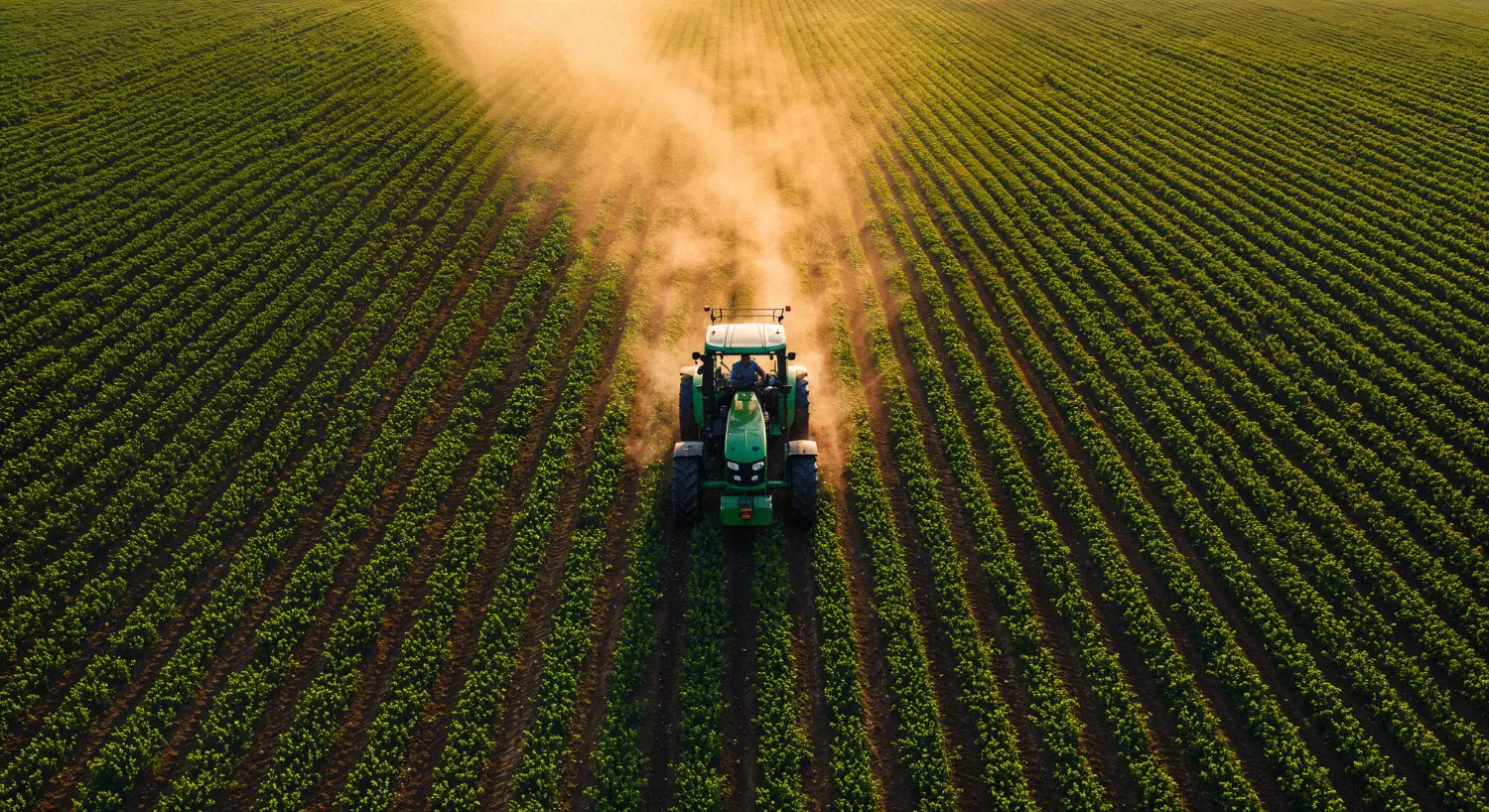
Leadership and safety culture on farms, at harvest fronts and in storage, taking into account the crop season, the distances involved and who does the work.

Leadership and safety culture in electric power with EHS Brasil, across generation, transmission and distribution of electrical infrastructure.