
ISA Energia Brasil
Support for the investigation of a fatal accident, with analysis of behavioral triggers and amplifying factors.
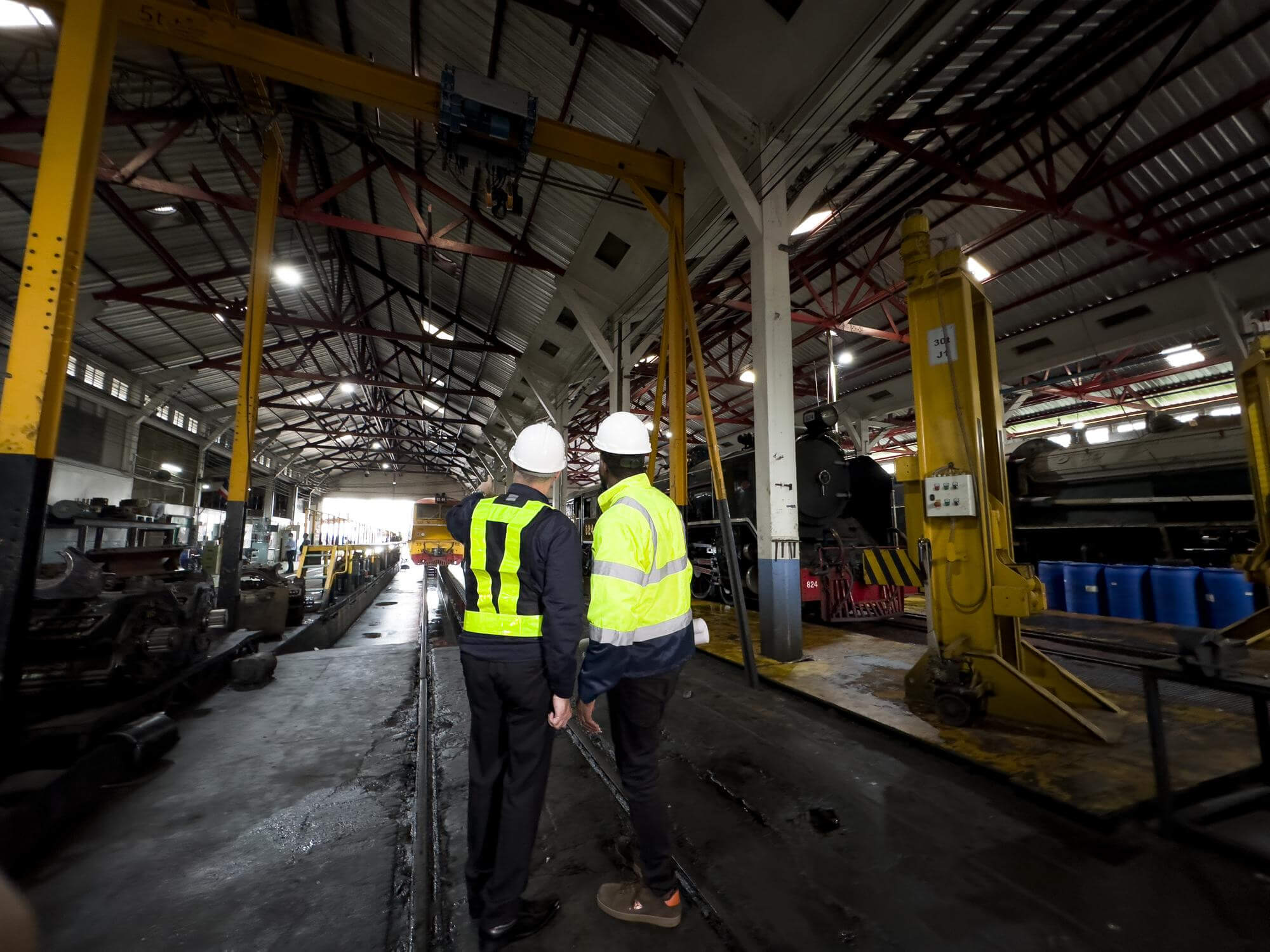
An investigation has to establish what happened and respect the people involved. We lead, review or deepen investigations of serious accidents, including fatalities, working with the organization's own teams.
Reconstructing the sequence of events makes it possible to examine the barriers, the system factors and the conditions present at each decision. Reducing a complex event to one person's error leaves part of what happened unexplained and limits what the organization can learn.
A fatality demands rigor, care and the ability to handle sensitive information. The investigation seeks an in-depth understanding of the event, looking at immediate causes, contributing factors and system conditions.
Supporting the people affected and preserving evidence begin together, in a coordinated way. Listening carefully to those involved is part of the work. It can reveal pressures, changes and conditions that do not show up in procedures or records.
The service focuses on fatalities and serious accidents. Other events can be considered based on their criticality and the organization's needs.
The design depends on the event, the information available and the responsibilities involved. The work may include:
Tools are chosen according to what the investigation needs to clarify. The work does not start from a ready-made answer, nor does it look for a single cause to explain a complex event.
Our role in the scope is defined and coordinated with the organization's departments and with the professionals legally responsible for legal, regulatory, labor or forensic obligations.
The work is organizational and preventive in nature. It does not replace a technical or court-appointed forensic examination, legal counsel, or any formal duty reserved for another professional.
An investigation starts from a specific event. The Safety Culture Assessment looks at broader patterns in the organization, such as leadership, trust, response to risk and the gaps between what is said and what is done.
A fatality can reveal issues that call for a broader cultural reading. The assessment, in turn, can expose weaknesses in how the organization recognizes risks and learns from events.
The Projects page records support for incident investigation in the work carried out with Bayer.
Support for the investigation of a fatal accident, with analysis of behavioral triggers and amplifying factors.
Support for incident investigation, among the workstreams described in the project.
EHS Brasil's Accident Investigation is recommended after a fatality or serious accident, after high-potential events, when an internal investigation has only reached the immediate causes or produced conflicting interpretations, when different departments need to be brought together or when an investigation already underway needs to be reviewed or taken further.
EHS Brasil's Accident Investigation starts by defining the scope and a multidisciplinary team, then listens to the people involved, analyzes records and reconstructs the sequence of events. It identifies immediate causes, contributing factors and management system issues, analyzes the barriers and reviews the proposed actions against the hierarchy of controls.
No. EHS Brasil's Accident Investigation is organizational and preventive in nature and does not replace a technical or court-appointed forensic examination, legal counsel or any formal role reserved for another professional. The scope is coordinated with the organization's departments and with the professionals legally responsible for legal, regulatory, labor or forensic obligations.
Gaps between what is said and what is done, culture maturity and priorities for leadership.
Learn more →Assessment and investigationAssessment of the prevention program with a proprietary methodology, focused on critical exposures and controls.
Learn more →Strategy and executionSetting priorities, responsibilities and ways to track safety within the business strategy.
Learn more →