
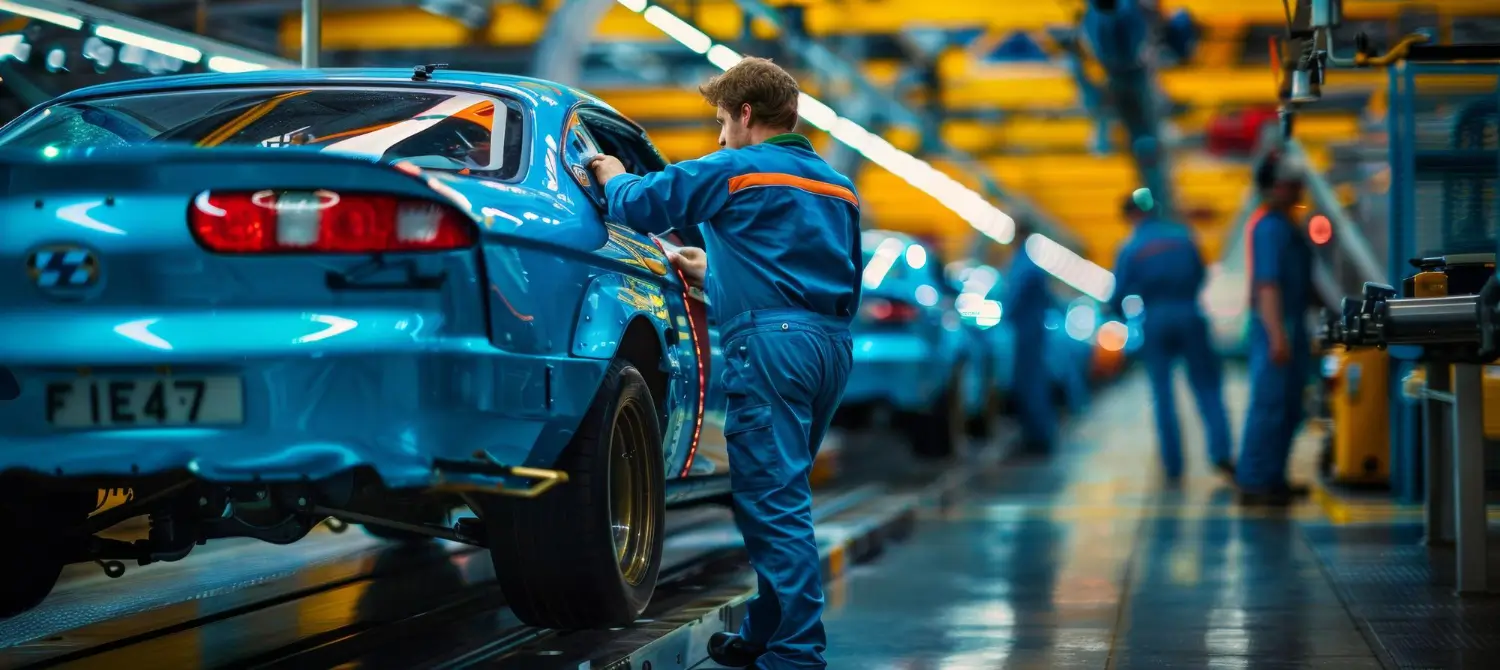
Automotive
Safety culture in vehicle and component plants, taking into account production pace, process changes and the relationship between people and equipment.
The line’s routine changes too
An automotive plant brings together processes with different paces and ways of working. Assembly, component manufacturing and support areas depend on coordinated decisions. A product change, an adjustment or an intervention can change the conditions of a familiar activity.
Pressure to restart production is part of the context that needs to be understood. How does supervision guide the team in these situations? Who gets involved when there is doubt? What does the organization learn from problems reported by operators and maintenance staff?
These questions help bring safety culture into view in daily work. The focus is on the conditions management provides and on how people understand their own role, respecting the differences between plants, shifts and functions.
Connecting training to the plant’s decisions
The assessment can combine listening to teams, observing routines and analyzing the tools already in use. From this reading, planning identifies issues that require management decisions and competencies that need to be developed.
Work with leaders draws on experiences linked to production and interventions. By following how the tools are used, it is possible to recognize difficulties and adapt the program to the plant’s context, with the involvement of the areas responsible for the work.
Learn about our approach →How we can help
All services →Safety Culture Assessment →
Understand management practices and what teams experience across different activities.
Accident Investigation →
Understand the conditions and decisions involved to guide organizational learning.
Liderança Antifrágil →
Develop leadership through experiences tied to the work context.
Depending on the organization’s needs
- Serious Injury and Fatality (SIF) Prevention Maturity Assessment →
Examine how critical exposures are understood and how controls are monitored.
- Strategic Safety Planning →
Define priorities, responsibilities and ways to monitor the work.
- Safety Culture Transformation →
Support the rollout of practices and follow up on the difficulties teams encounter.
Other industries
See all industries →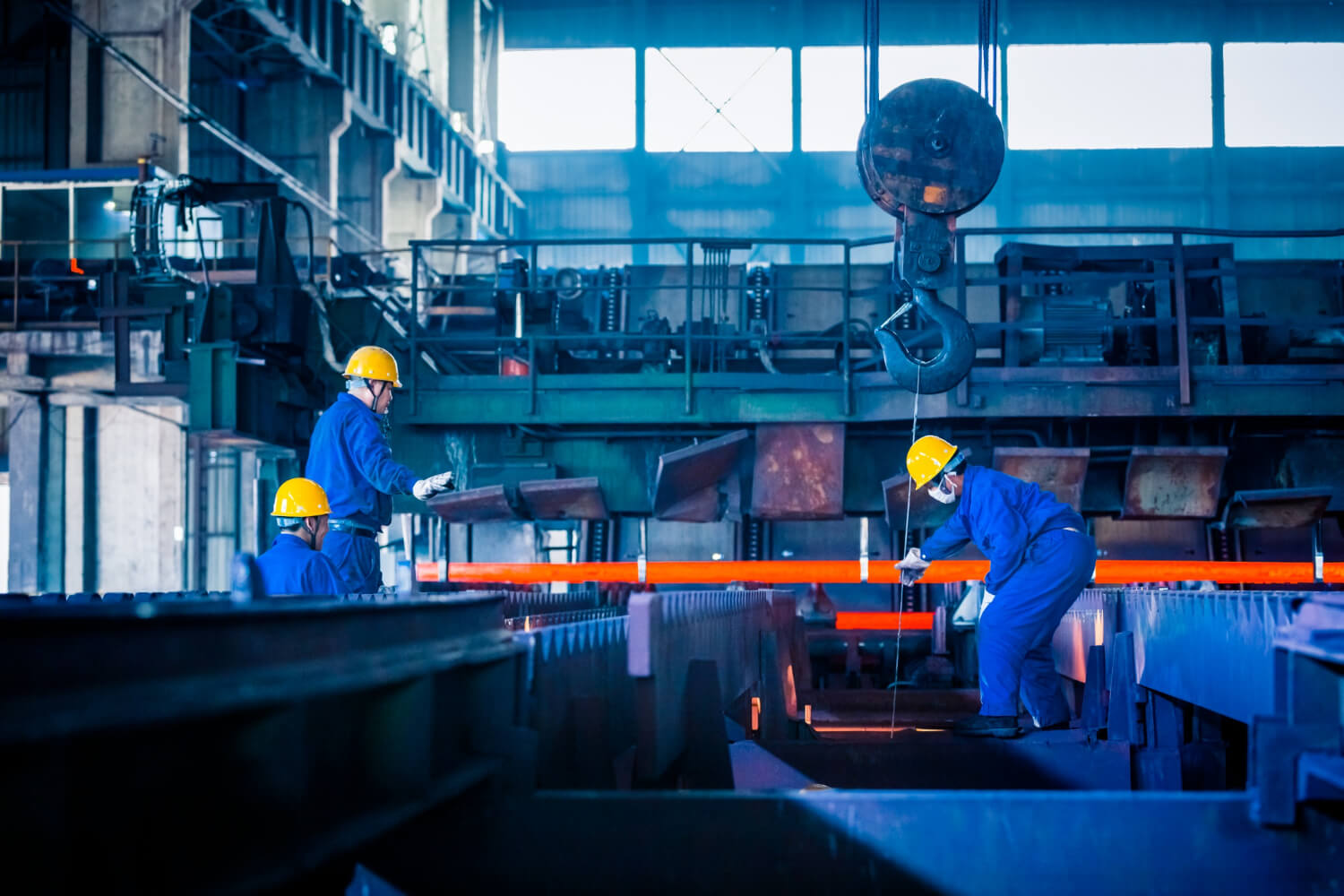
Metals and Steel →
Safety culture in metal processing operations, from material preparation to decisions about production, maintenance and interventions.
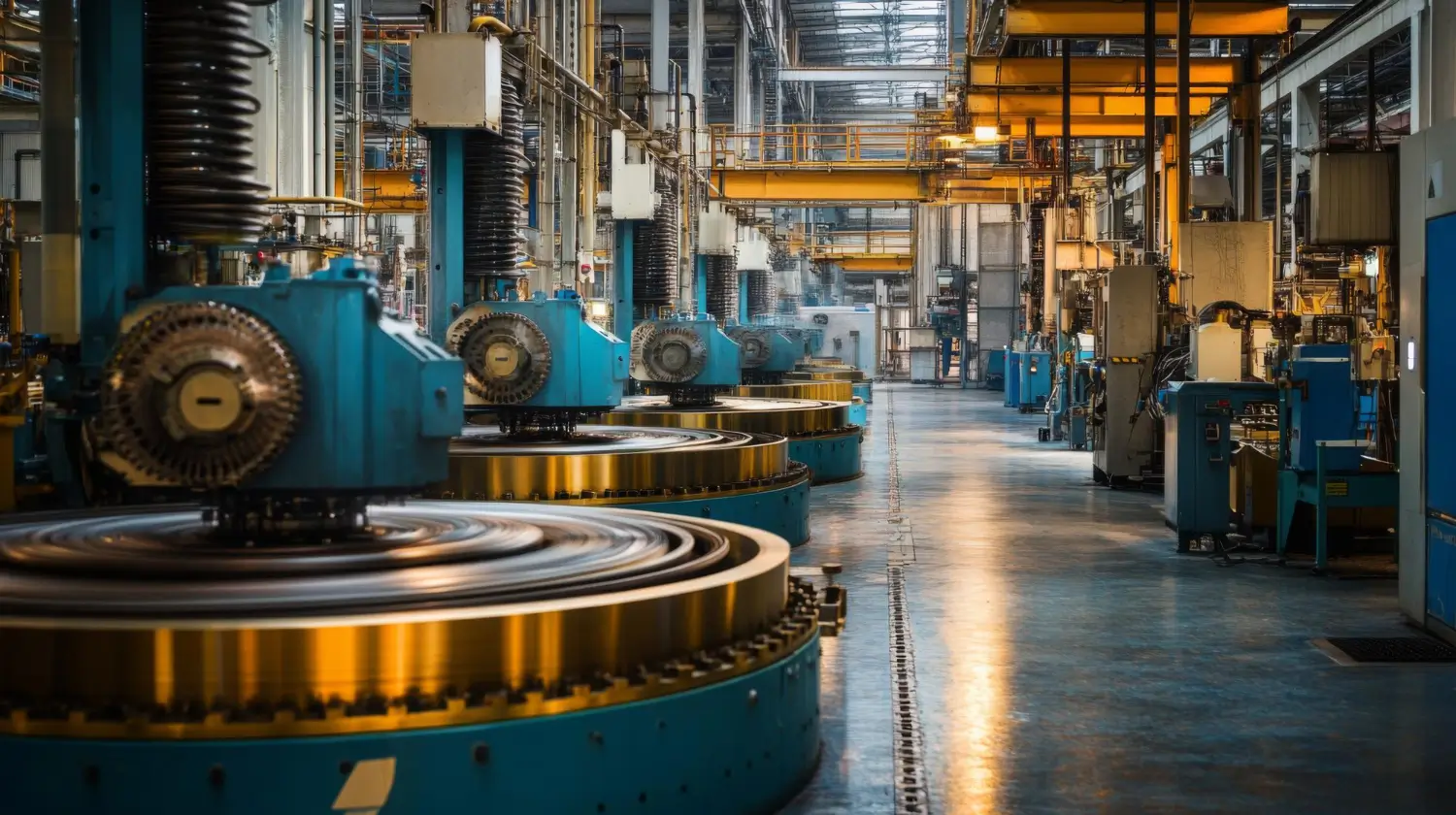
Industrial Manufacturing →
Developing leadership and safety practices in the manufacture of machinery, equipment and components, taking into account the work done at each site.