
InterCement
Indicator analysis, strategic planning and support for culture transformation, with an assessment at the Brazilian sites and development of the safety teams.
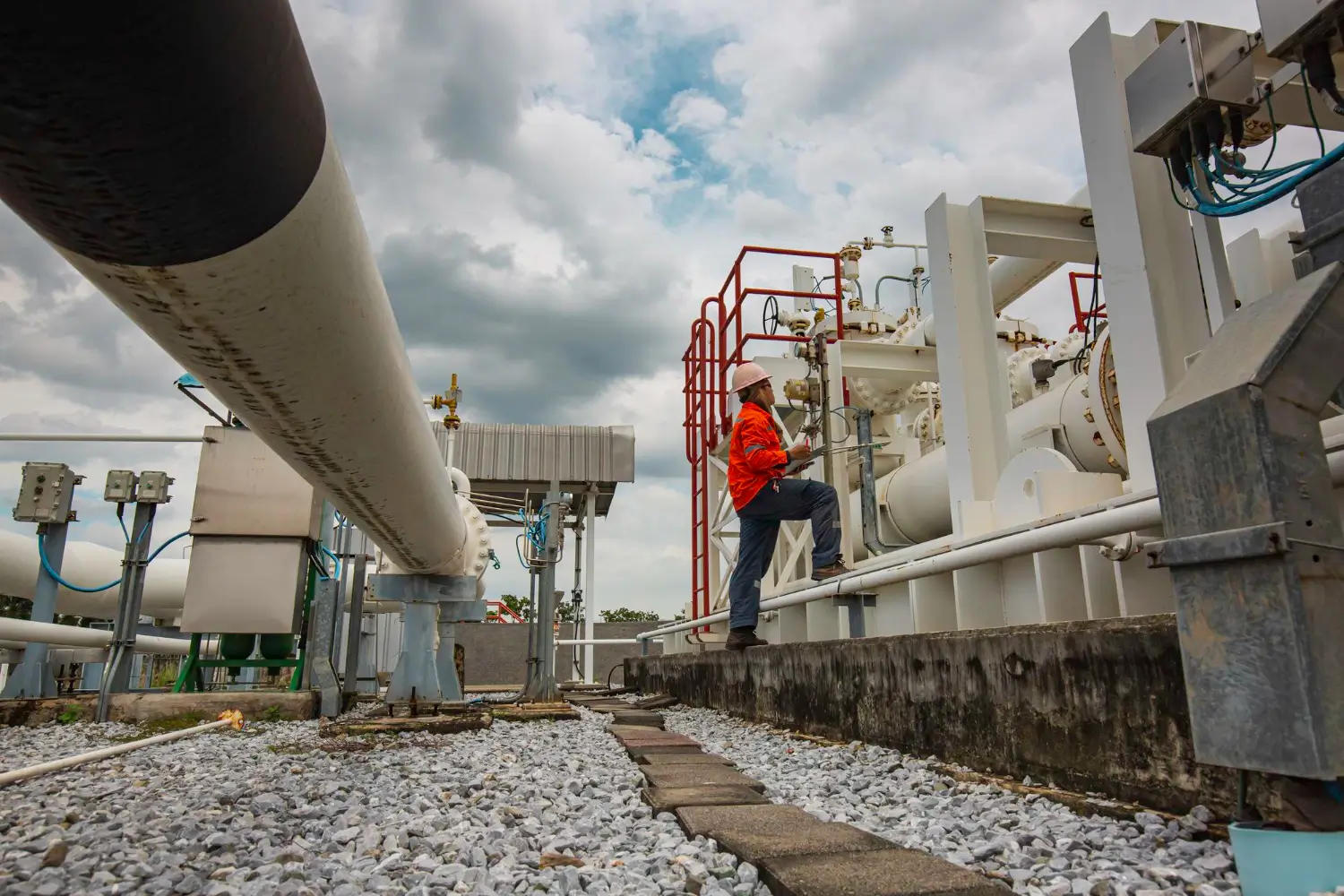
Construction projects move from phase to phase. Plants alternate between production and intervention. In every situation, planning and execution need to share the same understanding of risk.
In construction, risk moves with the project. Excavation, structures, installations, work at height, load handling and energization occupy different phases and often happen in parallel. Protection suited to one phase may no longer fit the conditions of the next.
Layers of contracting also shape management. Companies with different backgrounds share the same space and depend on one another. Onboarding and procedures create a common foundation. During execution, the organization still needs to know who stops an activity, how a change in method is evaluated and what response a deviation gets under schedule pressure.
In the cement industry, quarries, kilns, mills, bagging, shipping and maintenance involve distinct exposures. Scheduled shutdowns change the number of people on site and concentrate interventions on equipment. The distance between corporate areas and sites can lead to different readings of priorities and controls.
When catching up on the schedule starts to drive every conversation, conditions once considered unacceptable can become normalized. Leaders need to recognize this shift before the exception becomes practice.
Together with the organization, we examine how safety criteria are upheld as work fronts, teams and deadlines change. Indicators, interviews and observation of activities can help understand the routines used to plan, authorize and supervise work.
Our involvement considers the relationships between client and contractors, engineering and execution, operations and maintenance, and corporate leadership and local leadership.
Learn about our approach →Indicator analysis, strategic planning and support for culture transformation, with an assessment at the Brazilian sites and development of the safety teams.
Development of the Construction Safety ToolKit, communication campaigns and training in the PDR Program for the wind farms managed by the GE team.
Understand differences between sites, projects, contractors and leadership levels.
Assess the ability to anticipate critical exposures and maintain controls under real working conditions.
Define priorities and governance that can span projects, sites and contractor management.
Investigate serious accidents, including fatalities, together with the organization’s team.
Support execution of the plan through mentoring, design and strategic, technical and operational support.
Structure ongoing training for leaders, technical teams and operations according to their responsibilities.
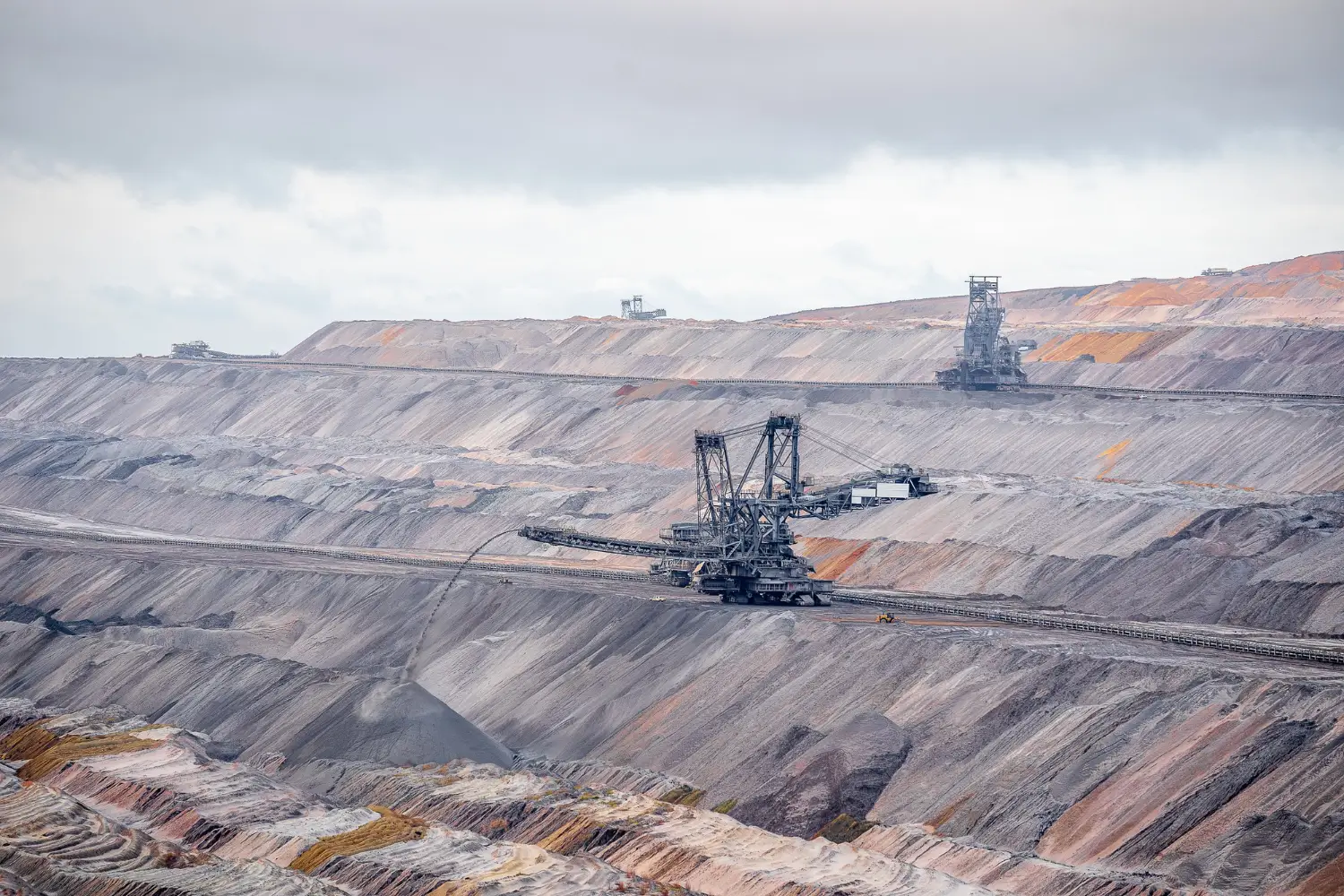
Understanding how teams recognize risks and how leaders back safety decisions in extraction, ore processing and operational support.
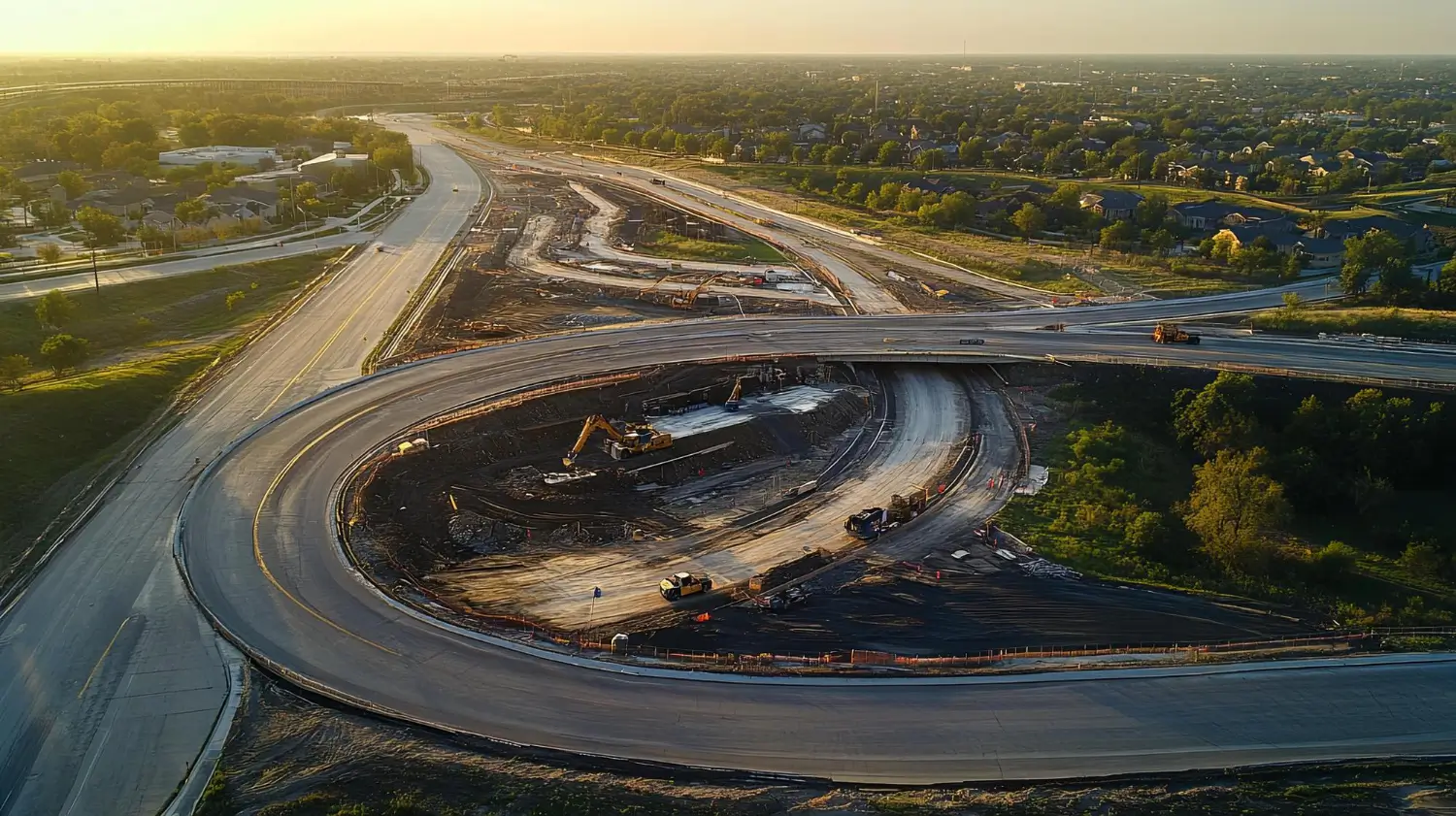
Safety culture in infrastructure with EHS Brasil, in building, operating and maintaining large assets with concession operators and contractors.